
Implantable Medical Devices: Types, Materials, Working and Trends
Written by
Arterex Medical
Published on
November 5 , 2025
Read time
38 minute read
Implantable medical devices represent one of healthcare’s most transformative innovations, quietly revolutionizing how we treat disease and restore human function. These sophisticated instruments, from pacemakers regulating heartbeats to cochlear implants restoring hearing to artificial joints enabling mobility, enable millions to live independently with chronic conditions and disabilities.
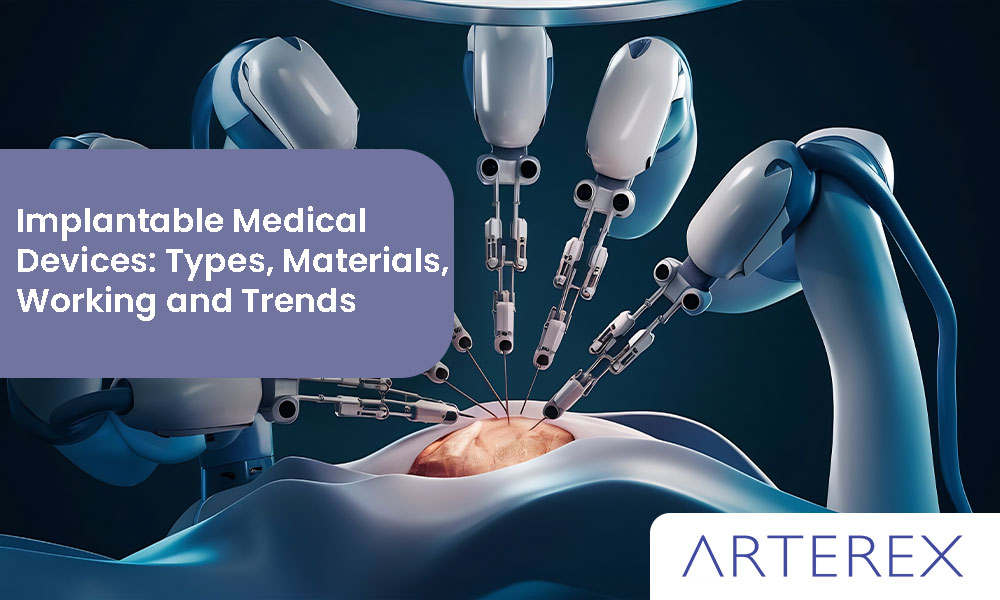
What makes these devices remarkable is their seamless integration with the human body. Engineered from biocompatible materials, powered by advanced battery technology or energy harvesting systems, and equipped with intelligent sensors and wireless communication, they work continuously alongside the body’s natural systems. They represent the convergence of materials science, bioengineering, electronics, medicine, and regulatory expertise.
The implantable device industry encompasses hundreds of companies, from innovative startups to multinational corporations like Arterex Medical, Medtronic, Abbott, and Boston Scientific, collectively investing billions in research and development to bring life-changing devices to patients worldwide.
This guide examines the full scope of implantable medical devices: what they are, how they function, the materials and technologies enabling them, rigorous regulatory processes ensuring safety, manufacturing excellence, and emerging innovations making them smaller and smarter. The field continues evolving rapidly, with advances in miniaturization, artificial intelligence, wireless power, and 3D printing promising devices that integrate even more seamlessly with human physiology.
Whether you are a patient considering an implantable device, a healthcare professional seeking clinical knowledge, or someone curious about medical technology, understanding these devices provides insight into one of healthcare’s most important frontiers. This frontier has already restored function and improved quality of life for countless people globally.
What are Implantable Medical Devices?
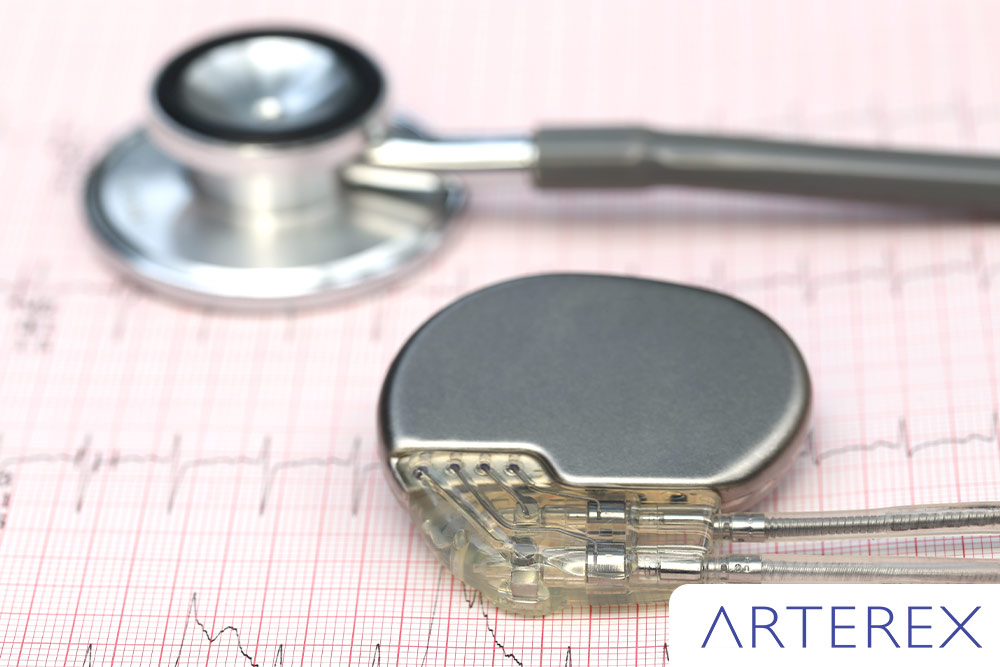
Implantable medical devices are specialized instruments designed to be placed inside the human body for extended periods to treat, monitor, or support various medical conditions. Unlike external medical equipment, these devices remain within the body, either temporarily or permanently, performing critical functions that help patients manage chronic illnesses, restore lost capabilities, or improve their quality of life.
These devices range from simple structures like artificial joints to highly sophisticated electronic systems such as pacemakers and neurostimulators. They integrate with the body’s natural systems, working continuously to deliver therapy, regulate bodily functions, or replace damaged tissues and organs.
Why Are Implantable Medical Devices Important to Healthcare?
Implantable medical devices have revolutionized healthcare by providing treatments once impossible or requiring constant clinical supervision, improving patient outcomes, reducing costs, and enhancing overall care quality.
Treating Chronic and Life-Threatening Conditions
Patients with chronic or life-threatening conditions benefit from continuous, automated therapy without daily hospital visits. Pacemakers prevent sudden cardiac death by correcting dangerous heart rhythms, while implantable cardioverter defibrillators detect and correct arrhythmias within seconds. Insulin pumps and neurostimulators maintain stable blood glucose or reduce neurological symptoms, offering consistent care that intermittent treatments cannot match.
Restoring Quality of Life
Implantable devices restore essential functions. Cochlear implants enable profoundly deaf individuals to hear and communicate. Hip and knee replacements eliminate pain and restore mobility, allowing elderly patients to remain active and independent. Deep brain stimulators reduce tremors in Parkinson’s patients, while spinal cord stimulators provide pain relief when other therapies fail, enabling patients to resume daily activities and work.
Reducing Healthcare System Burden
By preventing complications and hospitalizations, implantable devices reduce strain on healthcare infrastructure. Pacemakers minimize emergency admissions, and continuous glucose monitors with insulin pumps reduce hypoglycemic episodes. Remote monitoring allows physicians to detect early warning signs and intervene proactively, decreasing the need for in-person visits while improving patient safety.
Enabling Precision Medicine
Implantable devices deliver therapy exactly where it is needed. Drug-delivery implants target medications to specific tissues, maximizing effect and minimizing side effects. Neurostimulation devices focus on precise brain regions or nerves, controlling symptoms without affecting cognition. This localized approach enhances treatment efficacy while preserving patient quality of life.
Supporting Aging Populations
As populations age, demand for implantable devices rises. Joint replacements maintain mobility despite degenerating bones, while cardiac devices support aging hearts with rhythm disorders. These interventions help older adults live independently, delaying or preventing institutional care.
Advancing Medical Innovation
Developing implantable devices drives progress in bioengineering, materials science, and medical technology. Biocompatible materials, miniaturization, advanced batteries, and wireless connectivity improve not only implantable devices but also broader healthcare technologies. AI-enabled devices create personalized, adaptive treatment options previously unattainable.
Economic Impact
Despite initial costs, implantable devices reduce long-term healthcare expenses. Joint replacements eliminate years of pain management and therapy costs. Cardiac devices prevent costly emergency interventions and prolonged hospitalizations. Reduced complications, readmissions, and long-term care generate substantial savings for patients and healthcare systems alike.
Implantable medical devices bridge chronic disease management and patient empowerment, transforming debilitating conditions into manageable realities. They enable millions to live productive, fulfilling lives while alleviating pressure on healthcare resources.
Implantable Medical Devices List
Implantable medical devices span multiple medical specialties, each designed to treat specific conditions, restore function, and improve patient outcomes.
Cardiac Devices
- Pacemakers deliver electrical impulses to maintain consistent heartbeats, treating bradycardia and other rhythm disorders.
- Implantable Cardioverter Defibrillators (ICDs) monitor heart rhythms and deliver shocks during life-threatening arrhythmias like ventricular fibrillation.
- Cardiac Resynchronization Therapy Devices (CRT) synchronize ventricular contractions in heart failure, improving cardiac efficiency and symptoms.
- Left Ventricular Assist Devices (LVADs) mechanically pump blood from the left ventricle to the aorta, supporting severe heart failure patients.
- Heart Valves replace damaged valves, restoring proper blood flow; options include mechanical and tissue valves.
- Coronary Stents are expandable mesh tubes that keep arteries open after blockages, maintaining myocardial blood flow.
Orthopedic Implants
- Hip and Knee Replacements restore joint mobility, eliminate pain, and enable independent movement.
- Spinal Fusion Devices stabilize vertebrae using rods, screws, and grafts, treating scoliosis, fractures, and disc degeneration.
- Intervertebral Disc Replacements preserve spinal motion while replacing damaged discs.
- Bone Plates, Screws, and Intramedullary Rods stabilize fractures and ensure proper bone alignment.
- Shoulder Replacements restore arm function and reduce pain from arthritis or injury.
Neurological Devices
- Deep Brain Stimulators (DBS) treat Parkinson’s, essential tremor, and dystonia by delivering targeted brain stimulation.
- Vagus Nerve Stimulators (VNS) reduce seizures and manage treatment-resistant depression through electrical pulses.
- Spinal Cord Stimulators (SCS) interrupt pain signals to the brain, relieving chronic back pain and neuropathic conditions.
- Responsive Neurostimulation Systems (RNS) detect seizure patterns and deliver corrective stimulation preemptively.
- Intrathecal Drug Delivery Systems provide potent medication directly into spinal fluid, minimizing systemic side effects.
Sensory Restoration Devices
- Cochlear Implants restore hearing by directly stimulating the auditory nerve.
- Retinal Implants stimulate retinal cells or optic nerves to restore basic vision in severe vision loss.
- Auditory Brainstem Implants bypass damaged auditory nerves to stimulate the brainstem directly.
Drug Delivery Systems
- Insulin Pumps continuously deliver insulin, often integrating glucose monitoring for automated dosing.
- Contraceptive Implants release hormones gradually over years for long-term birth control.
- Intrathecal Baclofen Pumps treat severe spasticity in cerebral palsy, multiple sclerosis, and spinal injuries.
- Chemotherapy Ports provide reliable venous access for frequent cancer treatments.
Vascular Devices
- Stent Grafts reinforce weakened vessels, preventing aortic aneurysm rupture.
- Vena Cava Filters trap blood clots to prevent pulmonary embolism.
- Vascular Access Ports facilitate long-term intravenous medication or blood sampling.
Urological Devices
- Artificial Urinary Sphincters restore voluntary bladder control in severe incontinence.
- Bladder Pacemakers (Sacral Nerve Stimulators) modulate bladder nerve signals for overactive bladder or retention.
- Penile Implants provide mechanical rigidity for erectile dysfunction when other treatments fail.
Gastroenterological Devices
- Gastric Electrical Stimulators reduce nausea and vomiting in gastroparesis.
- Gastric Bands restrict stomach capacity for weight loss in obesity.
Ophthalmic Devices
- Intraocular Lenses (IOLs) restore vision after cataract surgery and correct refractive errors.
- Glaucoma Drainage Devices reduce intraocular pressure to prevent vision loss.
- Corneal Implants reshape or reinforce the cornea for keratoconus or irregularities.
Cosmetic and Reconstructive Implants
- Breast Implants restore volume post-mastectomy or for augmentation.
- Tissue Expanders stretch skin for reconstructive surgery.
- Facial Implants enhance or reconstruct contours for congenital, trauma, or cosmetic reasons.
Dental Implants
- Dental Implants replace missing teeth by anchoring artificial roots to the jawbone for crowns or dentures.
Monitoring Devices
- Implantable Loop Recorders continuously monitor heart rhythm to detect fainting or arrhythmias.
- Implantable Hemodynamic Monitors measure pulmonary artery pressure to optimize heart failure treatment.
- Continuous Glucose Monitors (CGM) track blood sugar around the clock, alerting to dangerous highs and lows.
These devices reflect decades of research, engineering, and clinical testing, collectively improving millions of lives, addressing conditions across nearly every medical specialty, and expanding treatment options for previously untreatable conditions.
Medical Device Contract Manufacturing (Class I, II & III)
Partner with Arterex Medical for full-service contract manufacturing—from components to complete Class I, II, and III medical devices.
Backed by ISO 13485 certification, FDA registration, and cGMP compliance, we deliver precision manufacturing, cleanroom assembly, and global supply chain solutions with speed and reliability.
From prototyping to scalable production, our LEAN-driven approach ensures quality, cost-efficiency, and faster time-to-market.
Explore Manufacturing Capabilities →What Are The Types of Implantable Medical Devices?
Implantable medical devices are categorized into active, passive, and semi-active (hybrid) types based on their energy use and mode of operation. This classification helps clinicians and manufacturers determine a device’s safety profile, maintenance needs, and regulatory pathway.
Active Implant Device
Active implant devices rely on an external power source or contain their own energy supply to perform their intended medical function. These devices use electrical, mechanical, or chemical energy to actively intervene in physiological processes, continuously monitor bodily functions, or deliver therapeutic treatments. They contain electronic components, batteries, motors, or other mechanisms that require power to operate.
The defining characteristic of active implants is their ability to generate and control energy output. They don’t simply respond to the body’s natural forces—they create their own actions through powered systems. These devices often include sophisticated sensors, microprocessors, and wireless communication capabilities that enable real-time monitoring, programmable settings, and remote adjustments.
Active implants typically require periodic maintenance, battery replacements, or recharging depending on their design. Modern active devices increasingly incorporate rechargeable battery technology or energy harvesting systems that extend their operational lifespan and reduce the need for replacement surgeries.
Examples of Active Implant Device
Pacemakers generate electrical impulses to maintain normal heart rhythm in patients with bradycardia.
Implantable Cardioverter Defibrillators (ICDs) detect and correct fatal arrhythmias through electric shocks.
Deep Brain Stimulators deliver targeted brain stimulation to control movement disorders like Parkinson’s disease.
Spinal Cord Stimulators block pain signals via electrical pulses adjustable by the patient.
Cochlear Implants convert sound into electrical signals to stimulate the auditory nerve.
Insulin Pumps deliver insulin automatically using real-time glucose data.
Left Ventricular Assist Devices (LVADs) mechanically circulate blood in heart failure patients.
Vagus Nerve Stimulators send scheduled pulses to reduce epileptic seizures.
Implantable Drug Pumps deliver controlled doses of medication directly to target sites.
Responsive Neurostimulation Systems detect seizure patterns and deliver preemptive stimulation.
Implantable Hemodynamic Monitors measure and transmit cardiovascular data wirelessly for remote management.
Passive Implant Device
Passive implant devices do not contain power sources or generate their own energy. These devices perform their intended function by providing structural support, replacing damaged tissue, facilitating healing, or creating physical barriers without requiring electrical or mechanical power. They rely on the body’s natural forces, biological processes, and material properties to achieve their therapeutic effects.
Passive implants interact with surrounding tissue through biocompatibility, mechanical characteristics, and physical structure. They may promote tissue integration, bear mechanical loads, provide scaffolding for tissue growth, or maintain anatomical spacing. Once implanted, these devices function continuously without batteries, external power, or active intervention.
The primary advantage of passive implants is their simplicity and longevity. Without electronic components or power sources, they typically have indefinite lifespans limited only by material degradation or mechanical wear. They require no maintenance, recharging, or battery replacement, making them more predictable and often more durable than active devices.
Examples of Passive Implant Device
Joint Replacements restore mobility and weight-bearing function without any active components.
Bone Plates, Screws, and Rods stabilize fractures using their mechanical strength.
Coronary Stents keep arteries open through passive radial force.
Heart Valve Replacements regulate blood flow through one-way mechanical or tissue-based designs.
Dental Implants anchor prosthetic teeth via osseointegration with the jawbone.
Intraocular Lenses replace natural lenses to restore vision after cataract removal.
Breast Implants restore volume and contour using inert silicone or saline materials.
Hernia Mesh and Vascular Grafts provide passive reinforcement and blood flow pathways.
Spinal Fusion Cages maintain spacing and promote bone growth between vertebrae.
Sutures and Clips hold tissue mechanically until healing completes.
Contraceptive Implants and IUDs release hormones or create physical barriers through passive diffusion or presence.
Tissue Scaffolds guide cell growth and degrade naturally after regeneration.
Glaucoma Drainage Implants lower intraocular pressure via passive fluid flow.
Semi-Active (Hybrid) Implantable Medical Devices
Semi-active or hybrid implantable medical devices occupy the middle ground between fully active and purely passive implants. These devices combine elements of both categories, typically featuring passive structural components enhanced with limited active or responsive elements. They may respond to physiological changes, external signals, or environmental conditions without requiring continuous power consumption like fully active devices.
The key characteristic of semi-active devices is their selective use of energy or responsive mechanisms. Unlike active devices that continuously generate output, semi-active implants remain dormant or passive most of the time, activating only when specific conditions are met or when external stimulation triggers a response. This approach conserves energy, extends device longevity, and reduces the complexity compared to fully active systems.
Many semi-active devices utilize external power sources through wireless energy transfer, eliminating the need for internal batteries while still providing active functionality when needed. Others incorporate smart materials that change properties in response to temperature, pH, mechanical stress, or electromagnetic fields without requiring traditional power sources.
The regulatory classification of semi-active devices varies depending on their specific mechanisms and the extent of their active functionality. They often undergo evaluation criteria that consider both their passive structural elements and their responsive or powered components.
Examples of Semi-Active (Hybrid) Implant Device
Drug-Eluting Stents passively support arteries while actively releasing medication to prevent blockage.
Antibiotic or Chemotherapy Implants release drugs gradually froA
Hormone-Releasing IUDs combine passive placement with controlled hormone diffusion.
RFID-Tagged Implants transmit stored data when scanned without internal power.
Shape Memory Alloy Implants change form in response to temperature or magnetic fields for self-deployment.
Magnetically Controlled Growing Rods expand under external magnetic influence to correct scoliosis in children.
Adjustable Gastric Bands provide mechanical restriction with modifiable tightness via saline adjustment.
Pressure-Responsive Shunt Valves drain cerebrospinal fluid automatically based on pressure differences.
Self-Expanding or Bioabsorbable Stents deploy or dissolve over time using material response, not power.
Antimicrobial-Coated Implants release agents when bacteria are detected, preventing infection.
Externally Powered Cochlear Implants activate via external transmitters through wireless energy coupling.
Adjustable Intraocular Lenses alter optical power when exposed to specific light frequencies.
Wireless Power Receiving Implants harvest energy only during stimulation or data transmission.
What is The Difference Between Active, Passive and Semi-Active Implant Devices?
The difference between Active, Passive and Semi-Active implant devices are listed below:
Active vs Passive Implant Devices
- Energy Use: Active implants require continuous or periodic power through batteries or energy harvesting; passive implants function entirely through mechanical or material properties without any energy source.
- Functionality: Active devices actively intervene in physiological processes, such as stimulating nerves or pumping blood; passive devices provide support, structural replacement, or guidance for tissue healing without active modulation.
- Adjustability: Active implants can be adjusted in real-time by physicians or patients; passive implants generally cannot be modified after implantation.
- Longevity: Active devices often require battery replacement or device exchange every 5–15 years; passive devices can last decades or a lifetime with minimal maintenance.
- Cost: Active devices involve higher upfront costs and potential future replacement expenses; passive devices are more cost-effective with virtually no ongoing costs.
- Regulatory Complexity: Active implants undergo extensive testing for electronics, software, and energy safety; passive implants require rigorous biocompatibility and mechanical testing but follow simpler approval pathways.
Active vs Semi-Active Implant Devices
- Energy Use: Active implants need constant power, while semi-active implants use energy selectively or from external sources, remaining passive most of the time.
- Functionality: Active devices continuously perform therapeutic or monitoring functions; semi-active devices provide intervention only when triggered by physiological conditions or external control.
- Adjustability: Both can offer adjustable features, but semi-active implants often allow selective adjustments without full electronic control systems, unlike fully active implants.
- Longevity: Semi-active implants typically have longer lifespans than fully active devices due to reduced energy consumption, but shorter than purely passive devices.
- Cost: Semi-active devices provide a cost-effective alternative to active systems, offering enhanced function without full power demands and frequent maintenance.
- Regulatory Complexity: Active devices require full safety and functional testing; semi-active devices are evaluated for both passive structure and triggered functionality, requiring hybrid regulatory assessment.
Passive vs Semi-Active Implant Devices
- Energy Use: Passive devices require no power; semi-active devices remain largely passive but include responsive elements or receive external energy when needed.
- Functionality: Passive implants provide structural support, tissue guidance, or mechanical replacement; semi-active implants add selective therapeutic or monitoring capabilities to otherwise passive designs.
- Adjustability: Passive implants are fixed and cannot be modified; semi-active implants allow limited adjustment via external triggers or responsive materials.
- Longevity: Passive implants usually last a lifetime; semi-active implants have longer durability than active devices but may have finite lifespans due to responsive components.
- Cost: Passive implants are the most cost-effective due to their simplicity; semi-active implants offer a balance between functionality and cost, more expensive than passive but less than active devices.
- Regulatory Complexity: Passive devices undergo straightforward biocompatibility and mechanical evaluation; semi-active devices are assessed for both structural integrity and responsiveness, creating a moderate regulatory burden.
How Do These Implantable Devices Work?

Implantable medical devices operate through a combination of mechanical, electrical, and biological principles that allow them to integrate with your body and perform their intended functions. Understanding how these devices work helps explain why they are so effective at treating various conditions.
The Basic Operating Principles
Most implantable devices function by directly interfacing with your body’s systems. They may deliver medication, monitor vital signs, provide electrical stimulation, replace or support damaged tissue, or regulate bodily functions. The specific mechanism depends entirely on the device type and its purpose.
Devices like pacemakers work by sending electrical signals to regulate your heartbeat. Insulin pumps deliver medication in precise doses throughout the day. Cochlear implants stimulate the auditory nerve to create the sensation of sound. Each device is engineered to interact seamlessly with your body’s natural processes.
Power Sources and Energy Management
Implantable devices need reliable power to function continuously. Some devices use batteries, typically lithium-ion or similar technology, that last anywhere from five to fifteen years depending on the device. These batteries are sealed within a biocompatible housing to prevent any leakage into surrounding tissue.
Other devices harness energy directly from your body. Wireless power transfer technology allows some newer implants to receive energy through the skin via electromagnetic waves, eliminating the need for battery replacement surgery. This approach is becoming increasingly common in cutting-edge devices.
Biocompatibility and Integration
For an implantable device to work effectively, it must be made from materials that your body recognizes as safe. Biocompatible materials, such as titanium, medical-grade silicone, and specialized polymers, prevent rejection and inflammation. Your body essentially accepts these materials as part of itself rather than treating them as foreign invaders.
The device’s outer casing is designed to integrate with surrounding tissue. Over time, your body forms a protective fibrous layer around the implant. This encapsulation process is natural and actually helps stabilize the device in place.
Sensing and Feedback Mechanisms
Many implantable devices continuously monitor what is happening in your body. Sensors embedded in the device detect changes in heart rhythm, glucose levels, pressure, or neural activity. This real-time data allows the device to respond intelligently to your body’s needs.
For example, a glucose-monitoring implant measures blood sugar levels continuously and sends this information wirelessly to an external receiver. A neural implant detects brain signals and translates them into commands, allowing paralyzed individuals to control prosthetic limbs or computer cursors through thought alone.
Communication and Control
Modern implantable devices communicate with external devices using wireless technology. Your smartphone or a dedicated controller can receive information from your implant and send instructions back to it. This two-way communication happens through secure, encrypted connections to protect your privacy and prevent unauthorized access.
Physicians can also program and adjust implantable devices remotely during follow-up appointments. If your pacemaker needs its settings adjusted or your insulin pump requires new dosing parameters, doctors can make these changes without surgery.
Electrical Stimulation
Many devices work by delivering carefully controlled electrical impulses to specific areas of your body. Pacemakers send electrical signals to heart muscle tissue to regulate heartbeat. Deep brain stimulation devices deliver impulses to the brain to reduce symptoms of Parkinson’s disease or tremors. Spinal cord stimulators send electrical signals along the spinal cord to block pain signals before they reach your brain.
These electrical pulses are precisely calibrated in terms of frequency, amplitude, and duration to produce therapeutic effects while remaining safe for surrounding tissue.
Drug Delivery Systems
Implantable drug delivery devices work by releasing medication directly into your bloodstream or at specific target sites in your body. Unlike taking oral medications that get distributed throughout your system, implantable pumps deliver drugs exactly where they are needed in controlled amounts over time.
This targeted approach reduces side effects and improves effectiveness. A patient with chronic pain might receive medication directly into the cerebrospinal fluid, requiring much lower doses than would be needed if taken orally.
Durability and Longevity
Implantable devices are engineered to withstand the harsh environment inside your body for years. They resist corrosion from body fluids, maintain structural integrity through constant movement, and endure pressure changes. Materials are tested extensively to ensure they will not degrade or release harmful substances over their lifespan.
When batteries deplete or a device reaches the end of its functional life, replacement surgery is relatively straightforward. Surgeons remove the old device and implant a new one, a minimally invasive procedure that typically takes less than an hour.
The Mind-Device Interface
The most advanced implantable devices create direct interfaces between your nervous system and external technology. Brain-computer interfaces detect neural signals from your motor cortex and translate them into commands. These signals bypass damaged spinal cords or severed nerves, restoring communication between your brain and limbs.
This technology represents the cutting edge of implantable device innovation, offering hope to people with severe paralysis or limb loss.
Implantable medical devices work because they are carefully designed to be compatible with your body, powered reliably for years, and capable of sophisticated sensing and response. Whether through electrical stimulation, medication delivery, or neural interfacing, these devices restore function and improve quality of life by working in harmony with your body’s natural systems.
What Are The Key Components and Materials Used for Implantable Medical Devices?
Implantable medical devices are highly engineered systems combining advanced materials, precision components, and biocompatible designs, all selected to withstand the harsh internal environment of the human body while maintaining functionality, safety, and longevity.
Biocompatible Materials
Biocompatibility ensures a material can exist inside the body without causing inflammation, immune rejection, toxicity, or other adverse effects, interacting favorably with tissue, blood, and fluids over the device’s lifespan.
- Titanium and Titanium Alloys are widely used in orthopedic, dental, pacemaker, and spinal implants due to exceptional strength, corrosion resistance, and the ability to osseointegrate directly with bone.
- Stainless Steel Alloys (316L) provide mechanical strength and corrosion resistance for bone plates, screws, and cardiovascular stents, but nickel sensitivity limits their long-term use.
- Cobalt-Chromium Alloys deliver superior wear resistance for joint replacement articulating surfaces, enduring millions of motion cycles in hip and knee implants.
- Platinum and Platinum-Iridium conduct electrical impulses in pacemakers, defibrillators, and neurostimulators while resisting corrosion.
- Tantalum offers biocompatibility and radiopacity for imaging, appearing in stents and orthopedic porous structures for bone ingrowth.
- Nitinol (Nickel-Titanium) exhibits shape memory and superelasticity, allowing minimally invasive self-expanding stents and orthopedic devices that recover their shape in vivo.
- Medical-Grade Silicone provides flexible, inert properties for breast implants, tissue expanders, shunts, and catheters.
- Ultra-High Molecular Weight Polyethylene (UHMWPE) serves as durable bearing surfaces in joint replacements, reducing friction and wear.
- Polyurethane is versatile for pacemaker leads, catheters, and valve components due to hemocompatibility and customizable stiffness.
- Polytetrafluoroethylene (PTFE/ePTFE) provides chemical resistance and low friction, used in vascular grafts, hernia mesh, and surgical sutures.
- Pyrolytic Carbon is used in mechanical heart valves for blood compatibility and long-term durability.
- Ceramics (Alumina, Zirconia) offer wear-resistant, hypoallergenic surfaces in joint implants.
- Biodegradable Polymers (PLA, PGA, copolymers) support tissue healing and gradually dissolve in absorbable sutures, scaffolds, and bioresorbable stents.
- Hydrogels mimic tissue properties and are used in intraocular lenses, drug delivery matrices, and tissue scaffolds.
Electronic Components for Active Devices
Active devices rely on electronics to monitor, analyze, and intervene in physiological processes:
- Microprocessors/Integrated Circuits control device operations, process signals, and execute therapeutic algorithms.
- Sensors detect motion, pressure, glucose, or temperature to guide device function.
- Electrodes and Leads deliver electrical therapy or record signals, designed to resist corrosion and maintain flexibility.
- Batteries (lithium-iodine or rechargeable lithium-ion) power devices with high energy density, hermetic sealing, and predictable lifespan.
- Capacitors store energy for high-voltage shocks in defibrillators.
- Wireless Components and Antennas enable telemetry, remote programming, and in some cases, power transfer.
Encapsulation and Protective Housing
Devices require robust protection from bodily fluids and proteins:
- Hermetic Seals in titanium or stainless steel housings prevent fluid ingress.
- Polymer Coatings (parylene, silicone, polyurethane) add biocompatibility, flexibility, and sometimes antimicrobial properties.
- Bioactive Surface Modifications (hydroxyapatite, heparin, titanium plasma spray, nanostructures) promote tissue integration and reduce clotting or bacterial adhesion.
Drug-Eluting Components
Semi-active devices incorporate controlled drug delivery:
- Polymer Matrices release medication gradually, as in drug-eluting stents.
- Reservoir Systems store concentrated drugs, delivering precise doses via programmable pumps.
- Diffusion-Controlled Membranes regulate hormone or drug release over extended periods.
Mechanical Components
Mechanical elements ensure device stability and function:
- Bearings and Articulating Surfaces endure millions of cycles in joint replacements.
- Springs and Actuators maintain movement in adjustable implants or valve mechanisms.
- Valves and Flow Regulators control fluid passage in glaucoma, hydrocephalus, or urinary devices.
- Fixation Mechanisms like hooks, barbs, or anchors secure implants to tissues.
Specialized Functional Materials
Certain devices require unique properties:
- Radiopaque Markers (platinum, gold, tantalum) for imaging.
- Piezoelectric Materials for energy harvesting or ultrasonic transducers.
- Magnetic Materials in MRI-compatible adjustable rods or magnetic implants.
- Optical Materials in retinal implants for light transmission and vision restoration.
All materials must meet strict purity standards to prevent inflammation, toxicity, or allergic reactions. Manufacturing includes cleaning, sterilization (ethylene oxide, gamma, electron beam, autoclaving), and packaging validation, while ISO 10993 ensures biocompatibility and performance consistency.
The integration of these materials and components balances mechanical, electrical, and biological requirements, enabling safe, durable, and effective implants that improve patient outcomes and extend human life, while ongoing advances in bioengineering, nanotechnology, and materials science continue to enhance device performance and longevity.
Design & Engineer Next-Generation Implantable Devices
Bring your implantable medical device to life with Arterex Medical’s advanced design and engineering expertise for Class I, II, and III devices.
From concept and prototyping to validation and regulatory approval, we specialize in complex, high-performance implantable technologies with full compliance to FDA, ISO 13485, and global standards.
Accelerate innovation with a partner experienced in biocompatible design, precision engineering, and seamless product realization.
Start Your Implant Project →What Are The Emerging Trends in Implantable Devices?
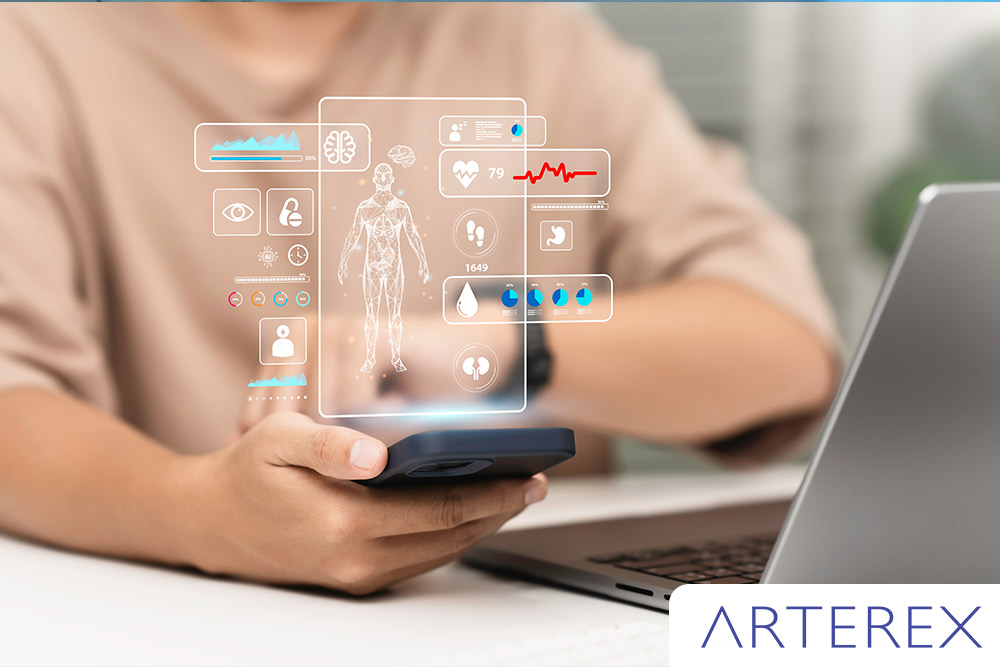
The emerging trends in implantable devices are listed below:
- Miniaturization
Advanced micro-electromechanical systems (MEMS), nanotechnology, and integrated circuits are enabling implants that are smaller, lighter, and more powerful. Miniaturized devices reduce surgical trauma and improve patient comfort, such as tiny pacemakers or micro-sensors for continuous health monitoring. - Biointegration Technology
Implants are increasingly designed to integrate biologically with the body. Surface structures encourage tissue or bone growth, drug-releasing coatings promote healing, and some devices even incorporate living cells, making the implant part of the body rather than a foreign object. - Artificial Intelligence (AI) and Machine Learning
AI-driven implants can analyze real-time sensor data, predict device failures, and adapt functionality to a patient’s condition. For example, cardiac monitors may detect arrhythmias early, while drug-delivery devices adjust dosing automatically based on patient physiology. - Wireless Power and Communication
Technologies like inductive coupling, ultrasound, and radiofrequency energy harvesting allow implants to operate without battery replacement. Wireless connectivity also enables real-time data transfer to smartphones or clinical systems, supporting continuous monitoring and proactive care. - 3D Printing and Patient-Specific Implants
Additive manufacturing allows implants to be customized to an individual’s anatomy, optimizing fit, strength, and tissue integration. Examples include orthopedic plates, cranial implants, and cardiovascular stents designed precisely for each patient.
What Are the Top Implantable Medical Devices Companies?
The top implantable medical device companies are listed below:
Arterex Medical is a global leader in high-precision medical device manufacturing, offering end-to-end solutions that span design, development, engineering, extrusion, injection molding, tooling, metals processing, and advanced assembly. The company produces everything from individual components to Class III implantable devices across multiple therapeutic areas, including drug delivery, cardiovascular, orthopedic, neurology, and general surgery. Its vertically integrated approach enables seamless transitions from prototype development to full-scale manufacturing, reducing time to market, controlling costs, and ensuring product consistency.
With a worldwide network of specialized facilities, Arterex provides localized manufacturing, supply chain redundancy, and flexible production capacity to meet global demand. The company’s investment in advanced technologies like 3D printing, additive manufacturing, and cleanroom production ensures the highest standards of quality and sterility. Beyond manufacturing, Arterex brings deep expertise in regulatory compliance, biocompatibility, and sterility assurance—providing comprehensive, turnkey solutions that help medical device companies bring innovative implantable devices from concept to clinical use efficiently and reliably.
Medtronic
Medtronic represents one of the world’s largest medical device companies, with extensive expertise in implantable devices. The company manufactures pacemakers, implantable cardioverter-defibrillators, neurostimulation devices, and spinal implants. Medtronic’s global presence, extensive R&D capabilities, and established relationships with healthcare providers worldwide make it a dominant force in cardiac rhythm management and neuromodulation.
Abbott
Abbott operates a substantial implantable device business, particularly in cardiac devices and structural heart solutions. The company produces implantable cardioverter-defibrillators, pacemakers, and heart failure devices. Abbott’s acquisition of St. Jude Medical strengthened its position in implantable electronics and cardiac technologies.
Boston Scientific
Boston Scientific specializes in minimally invasive medical devices, with significant expertise in cardiovascular implants, neuromodulation, and endoscopy. The company develops drug-eluting stents, pacemakers, neurostimulation systems, and other implantable technologies. Boston Scientific’s focus on interventional medicine drives innovation in less invasive implantation approaches.
Johnson & Johnson
Johnson & Johnson maintains a major implantable device presence through multiple divisions. The company manufactures orthopedic implants through DePuy Synthes, including joint replacements and trauma devices. Johnson & Johnson’s extensive product portfolio and global scale provide resources for comprehensive device development and commercialization.
Stryker
Stryker leads the orthopedic implant market, producing artificial joints, spinal implants, and trauma devices. The company’s specialized expertise in musculoskeletal devices, combined with manufacturing excellence, establishes Stryker as a dominant orthopedic implant manufacturer.
Zimmer Biomet
Zimmer Biomet represents another major orthopedic implant company, producing hip, knee, and shoulder replacements along with spine and trauma devices. The company’s focus on joint reconstruction positions it as a leader in orthopedic implant technology.
Cochlear
Cochlear dominates the hearing implant market, developing cochlear implants and bone-conducting hearing devices that restore hearing to deaf and hard-of-hearing individuals. The company’s specialized expertise in auditory devices represents a focused but highly successful approach to implantable technology.
Second Sight Medical Products
Second Sight Medical Products pioneered retinal implants for vision restoration, developing the Argus retinal prosthesis system that creates visual percepts for blind individuals. The company represents innovation in neural interface technology for sensory restoration.
Neurotech
Neurotech develops retinal implants and visual prosthetics, advancing the frontier of neural interfaces for vision restoration. The company’s cutting-edge technology represents emerging approaches to sensory restoration.
- Implantable Medical Devices: Types, Materials, Working and Trends
- What are Implantable Medical Devices?
- Why Are Implantable Medical Devices Important to Healthcare?
- Implantable Medical Devices List
- What Are The Types of Implantable Medical Devices?
- What is The Difference Between Active, Passive and Semi-Active Implant Devices?
- How Do These Implantable Devices Work?
- What Are The Key Components and Materials Used for Implantable Medical Devices?
- What Are The Emerging Trends in Implantable Devices?
- What Are the Top Implantable Medical Devices Companies?