
Drug Delivery Systems: Definition, How They Work, Routes, and Methods
Written by
Arterex Medical
Published on
December 05 , 2025
Read time
20 minute read
Drug delivery represents one of modern medicine’s most critical processes—the science of transporting pharmaceutical compounds from their point of entry to their target sites within the body to achieve therapeutic effects. At its core, a drug delivery system is any formulation or device that enables medications to enter the body safely, effectively, and in a controlled manner, ranging from simple oral tablets to sophisticated nanotechnology-based carriers.
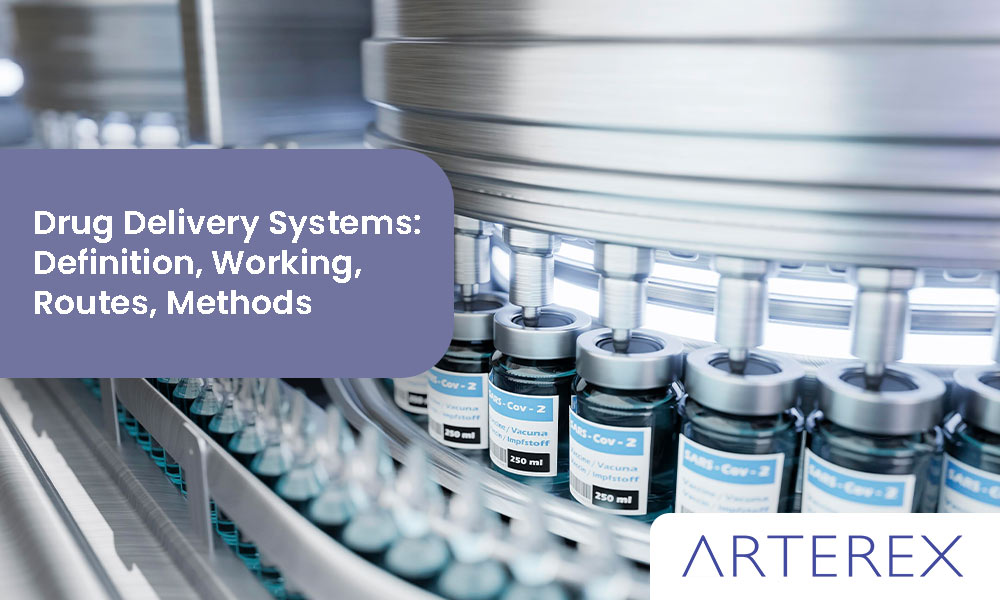
The importance of drug delivery systems cannot be overstated. They directly determine treatment success by controlling how much medication reaches its target, when it arrives, and how long it remains active. Traditional delivery methods often waste medications through stomach acid destruction, premature liver breakdown, and uncontrolled release patterns that create dangerous spikes followed by ineffective concentrations. Advanced systems solve these problems by protecting fragile drugs, targeting diseased cells while sparing healthy tissue, and maintaining steady therapeutic levels.
These systems deliver tangible benefits: cancer patients experience fewer side effects when nanoparticles direct chemotherapy to tumors rather than flooding the entire body; diabetics achieve better glucose control with responsive insulin pumps; and patients enjoy improved compliance when one monthly injection replaces thirty daily pills. Beyond individual health outcomes, superior delivery systems reduce healthcare costs through fewer side effects, smaller required doses, and prevention of expensive disease complications.
Drug delivery works through six coordinated steps: administration, absorption into the bloodstream, distribution throughout the body, interaction with target sites, metabolism by the liver, and elimination through kidneys and other organs. Medications can be delivered through multiple routes—oral, intravenous, intramuscular, subcutaneous, transdermal, inhalation, topical, rectal, nasal, and ocular—each with distinct advantages and limitations. Modern delivery methods include immediate and extended-release systems, targeted delivery using nanoparticles, implantable devices, responsive systems that react to physiological changes, microneedle patches, prodrugs, and even cell-based delivery platforms, representing the cutting edge of pharmaceutical innovation.
What is Drug Delivery?
Drug delivery is the process of administering pharmaceutical compounds to achieve therapeutic effects in the body. This process involves transporting active pharmaceutical ingredients from their point of entry to their target site within the body, where they can exert their intended biological action. Effective drug delivery ensures that medications reach the right location at the right concentration and at the right time to maximize therapeutic benefits while minimizing adverse effects.
Why Do Drug Delivery Systems Matter?
Drug delivery systems matter because they directly influence how effectively, safely, and efficiently a medication performs inside the body.
Controls Treatment Success
Drug delivery systems determine whether medications actually work in your body. They control how much drug reaches the target site, the timing of arrival, and the duration of therapeutic action.
Traditional methods waste medication. Stomach acid destroys sensitive compounds before absorption occurs. Liver enzymes break down drugs before they reach diseased tissues. Uncontrolled release causes blood levels to spike dangerously, then drop to ineffective concentrations.
Protects and Targets Medications
Advanced systems protect fragile drugs from harsh body environments. They direct therapeutic agents precisely to diseased cells while sparing healthy tissue. Gradual release maintains steady healing concentrations instead of erratic peaks and valleys.
Cancer patients experience fewer side effects when nanoparticles deliver chemotherapy directly to tumors rather than flooding the entire body with poison. Diabetics achieve better glucose control when insulin pumps respond to real-time blood sugar readings instead of relying on crude injections.
Improves Patient Compliance
Delivery systems reduce dosing frequency dramatically. One monthly injection replaces thirty daily pills. A skin patch provides continuous relief without repeated doses. Implanted devices eliminate the need to remember medications entirely.
Consistent drug levels prevent disease progression more effectively than irregular dosing. Better compliance means better health outcomes.
Reduces Healthcare Costs
Improved delivery systems lower overall medical expenses. Fewer side effects mean fewer hospital visits. Better targeting requires smaller drug doses. Extended-release formulations decrease manufacturing and distribution costs. Enhanced effectiveness prevents expensive disease complications.
Pharmaceutical companies invest billions in delivery innovation because superior systems transform marginally effective drugs into breakthrough therapies.
Enhances Safety
Controlled release prevents overdoses, toxic accumulations, and dangerous drug interactions. Smart systems adjust dosing automatically based on physiological signals. Protective barriers prevent drugs from releasing in wrong locations. Timed mechanisms ensure drugs remain stable during storage and activate only at intended sites.
What Are Drug Delivery Devices?
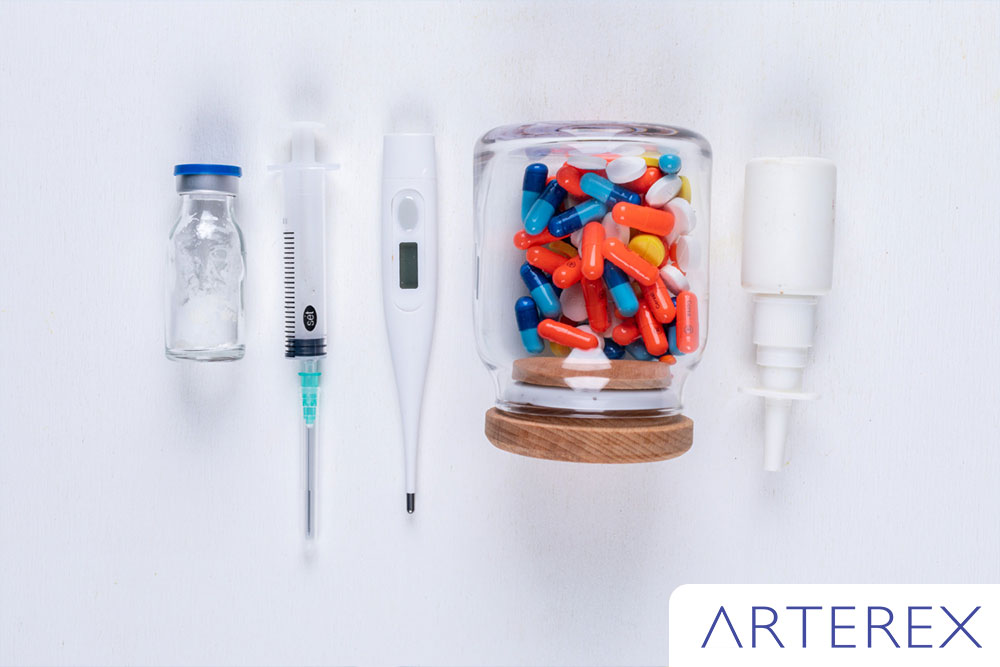
Drug delivery devices are instruments or apparatuses designed to administer medications to patients through various routes and mechanisms. These devices serve as the interface between the drug formulation and the patient, enabling precise dosing, controlled release, and sometimes patient self-administration. Drug delivery devices range from simple mechanical tools like syringes to complex electronic systems incorporating sensors, microprocessors, and feedback mechanisms that adjust drug administration based on physiological parameters.
What Are Examples of Drug Delivery Devices and Systems?
The examples of drug delivery devices and systems are listed below:
Injectable Devices: Syringes, auto-injectors (like EpiPens for epinephrine), pen injectors for insulin, and implantable pumps for continuous drug infusion represent common injectable delivery methods.
Inhalation Devices: Metered-dose inhalers (MDIs), dry powder inhalers (DPIs), and nebulizers deliver medications directly to the respiratory system for treating asthma, COPD, and other pulmonary conditions.
Transdermal Systems: Nicotine patches, fentanyl patches, and iontophoretic devices transport drugs through the skin into systemic circulation, providing sustained release over hours or days.
Oral Delivery Systems: Extended-release tablets, enteric-coated capsules, and osmotic pumps control drug release in the gastrointestinal tract, maintaining steady blood levels and reducing dosing frequency.
Implantable Systems: Subcutaneous implants, intrauterine devices releasing hormones, and biodegradable wafers placed at surgical sites provide localized or systemic drug delivery over weeks to years.
Advanced Technologies: Nanoparticles, liposomes, microneedle patches, and smart pills with embedded sensors represent cutting-edge delivery platforms that enhance targeting, reduce side effects, and enable personalized medicine.
How Does Drug Delivery Work?
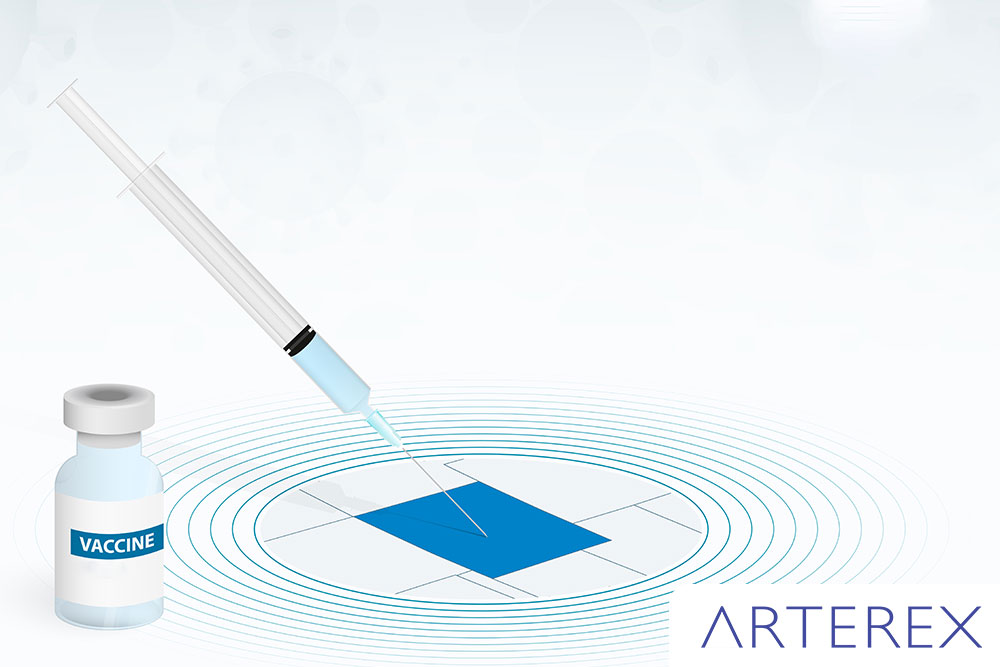
Drug delivery works through a coordinated series of biological steps that move a medication from its point of entry to its site of action and eventually out of the body.
Step 1: Administration
The drug enters your body through a specific route—swallowing a pill sends it to your stomach, an injection places it directly into tissue or bloodstream, inhalation delivers it to your lungs, or applying cream allows skin absorption.
Step 2: Absorption
Drug molecules cross biological barriers to enter the bloodstream—small molecules slip through cell membranes by passive diffusion, while larger or charged molecules require active transport mechanisms that use cellular energy or specialized carrier proteins to move them across.
Step 3: Distribution
Blood circulation carries the drug throughout your body—some molecules bind to plasma proteins and travel as inactive reserves, while free molecules leave the bloodstream to reach organs, tissues, and cells where they need to act.
Step 4: Target Interaction
The drug reaches its intended site and interacts with specific receptors, enzymes, or cellular structures—this binding triggers the therapeutic effect, whether blocking pain signals, killing bacteria, reducing inflammation, or correcting chemical imbalances.
Step 5: Metabolism
Your liver breaks down the drug using specialized enzymes—this biotransformation converts the original compound into metabolites that may be active (still working), inactive (no longer working), or toxic (requiring quick elimination).
Step 6: Elimination
Your body removes the drug and its metabolites—kidneys filter them into urine, the liver excretes some through bile into feces, lungs exhale gaseous byproducts, and small amounts exit through sweat or saliva, completing the drug’s journey through your system.
What Are the Types of Drug Delivery Routes?
The types of drug delivery routes are listed below:
Oral Route
The oral route involves swallowing medications as tablets, capsules, liquids, or chewable forms. Drugs pass through the mouth, down the esophagus, into the stomach where acid begins breakdown, then absorb primarily in the small intestine before entering the bloodstream. This method offers convenience and patient preference but faces challenges from stomach acid degradation, first-pass liver metabolism that reduces drug availability, and slow onset times ranging from 30 minutes to several hours.
Intravenous (IV) Route
Intravenous injection delivers drugs directly into veins for immediate bloodstream entry. This route provides 100% bioavailability since drugs bypass all absorption barriers, allows precise dosing control, and produces rapid effects within seconds to minutes. Healthcare professionals must administer IV medications, infection risks exist at injection sites, and the method cannot be reversed once administered.
Intramuscular (IM) Route
Intramuscular injection places drugs deep into muscle tissue where rich blood supply enables steady absorption. The deltoid, gluteal, and thigh muscles serve as common injection sites. This route absorbs faster than oral but slower than IV, suits oily or irritating drugs that veins cannot tolerate, and provides depot formulations that release medication over weeks or months.
Subcutaneous Route
Subcutaneous injection deposits drugs into the fatty tissue layer beneath the skin. Insulin injections for diabetes represent the most common application. This route enables self-administration, sustains gradual absorption, and works well for small volumes up to 2 milliliters, though injection site reactions and slower onset compared to IM injections present limitations.
Transdermal Route
Transdermal delivery uses patches or gels applied to skin that release drugs for absorption through skin layers into bloodstream. Nicotine patches for smoking cessation and hormone replacement patches demonstrate this method. The route avoids digestive system breakdown, provides controlled release over days, and eliminates first-pass metabolism, but only small lipid-soluble molecules penetrate skin effectively.
Inhalation Route
Inhalation delivers drugs as aerosols, sprays, or powders directly into the lungs through mouth or nose. Asthma inhalers exemplify this route. Large lung surface area and rich blood supply enable rapid absorption, local delivery treats respiratory conditions directly, and the method avoids liver metabolism, though proper technique requires patient training and coordination.
Topical Route
Topical application spreads medications as creams, ointments, lotions, or gels onto skin or mucous membranes for local effects. Antibiotic creams for wounds and anti-inflammatory gels for joint pain use this route. The method targets specific areas, minimizes systemic side effects, and allows easy application, but limited penetration restricts treatment to surface conditions.
Rectal Route
Rectal administration inserts suppositories or enemas into the rectum where drugs dissolve and absorb through rectal mucosa. This route serves patients who cannot swallow, bypasses some first-pass metabolism, and works during vomiting or unconsciousness, though patient acceptance remains low and absorption proves unpredictable.
Nasal Route
Nasal delivery sprays drugs into the nasal cavity where the rich vascular network absorbs molecules rapidly. Allergy sprays and migraine medications use this route. Fast onset rivals IV delivery for certain drugs, the method enables brain delivery through olfactory pathways, and patients self-administer easily, but nasal irritation and limited dose volume restrict applications.
Ocular Route
Ocular administration applies drops, ointments, or inserts directly to the eye for treating conditions like glaucoma and infections. This route delivers high drug concentrations to eye tissues, avoids systemic exposure and side effects, and enables sustained release through specialized inserts, though frequent dosing requirements and tear drainage that washes away drugs challenge effectiveness.
What Are the Drug Delivery Methods?
The drug delivery methods are listed below:
Immediate Release Systems
Immediate release formulations dissolve quickly after administration to release the entire drug dose rapidly. Standard tablets and capsules use this method. The drug enters the bloodstream within 30 minutes, reaches peak concentration quickly, then declines as the body eliminates it, requiring multiple daily doses to maintain therapeutic levels.
Extended Release Systems
Extended release formulations control drug release over prolonged periods from hours to days. Special coatings dissolve slowly, matrix systems trap drugs in polymer networks that release gradually, and osmotic pumps use water pressure to push drugs through tiny holes. One daily dose replaces multiple immediate-release doses, steady blood levels reduce side effects, and patient compliance improves significantly.
Targeted Delivery Systems
Targeted delivery directs drugs specifically to diseased tissues while sparing healthy cells. Antibody-conjugated nanoparticles recognize and bind cancer cell markers, pH-sensitive carriers release drugs in the acidic tumor environment, and magnetic nanoparticles concentrate at sites using external magnets. This precision maximizes therapeutic effects, minimizes side effects throughout the body, and reduces required drug doses substantially.
Nanoparticle Systems
Nanoparticles measuring 1 to 100 nanometers carry drugs through the body. Liposomes encase drugs in fatty spheres, polymeric nanoparticles embed drugs in biodegradable plastics, and solid lipid nanoparticles combine stability with biocompatibility. These tiny carriers protect drugs from degradation, penetrate biological barriers including the blood-brain barrier, and accumulate in tumors through leaky blood vessels.
Implantable Systems
Implantable devices placed surgically under skin or in body cavities release drugs continuously over months to years. Contraceptive implants prevent pregnancy for up to five years, biodegradable wafers treat brain tumors locally, and reservoir systems with refillable compartments enable repeated use. This method eliminates daily dosing, maintains constant therapeutic levels, and improves treatment outcomes for chronic conditions.
Transmucosal Systems
Transmucosal delivery absorbs drugs through mucous membranes lining the mouth, nose, vagina, or rectum. Sublingual tablets dissolve under the tongue for rapid absorption, buccal films stick to the cheek for sustained release, and vaginal rings release hormones continuously. Rich blood supply in mucous membranes enables fast onset, the method bypasses stomach acid and liver metabolism, and patients administer medications easily without injections.
Responsive Systems
Responsive systems detect physiological changes and release drugs accordingly. Glucose-sensitive insulin delivery releases hormone when blood sugar rises, temperature-sensitive carriers release drugs at inflammation sites where heat increases, and ultrasound-triggered systems release drugs when external sound waves activate them. This intelligence optimizes therapy by delivering drugs only when and where needed.
Microneedle Systems
Microneedle patches contain arrays of tiny needles shorter than one millimeter that penetrate skin’s outer layer painlessly. Vaccines, insulin, and other drugs load into these needles that dissolve after insertion. The method combines injection effectiveness with patch convenience, causes no pain because needles avoid nerve endings, and enables self-administration without medical training.
Prodrug Systems
Prodrugs remain inactive until body enzymes convert them into active forms at target sites. This approach protects unstable drugs during transit, improves absorption of poorly soluble compounds, and targets specific tissues where activating enzymes concentrate. Cancer prodrugs activate only in tumor cells, pain medications convert to active forms in inflamed tissues, and brain-targeted prodrugs transform after crossing the blood-brain barrier.
Cell-Based Delivery
Cell-based systems use living cells as drug carriers or production factories. Engineered bacteria produce and release therapeutic proteins at infection sites, modified immune cells deliver drugs directly to tumors, and encapsulated cells secrete medications continuously over time. This biological approach enables complex drug production inside the body, targets diseases precisely, and responds dynamically to changing conditions.